
A think-and-do tank built to confront the climate crisis.
Develop actionable roadmaps for slashing climate pollution and ushering in a more equitable, resilient future.
The decade leading up to 2035 will be an inflection point for our planet. We now have most of the technological solutions necessary to address climate change at scale, and these options are cheaper and better than our outdated fossil-fuel-driven economy. Still, the pace of progress has not kept up with our enormous need. We work in partnership with leading environmental organizations, local nonprofits, and policymakers to close the gap between climate ambition and action.
This mission centers on three core goals:
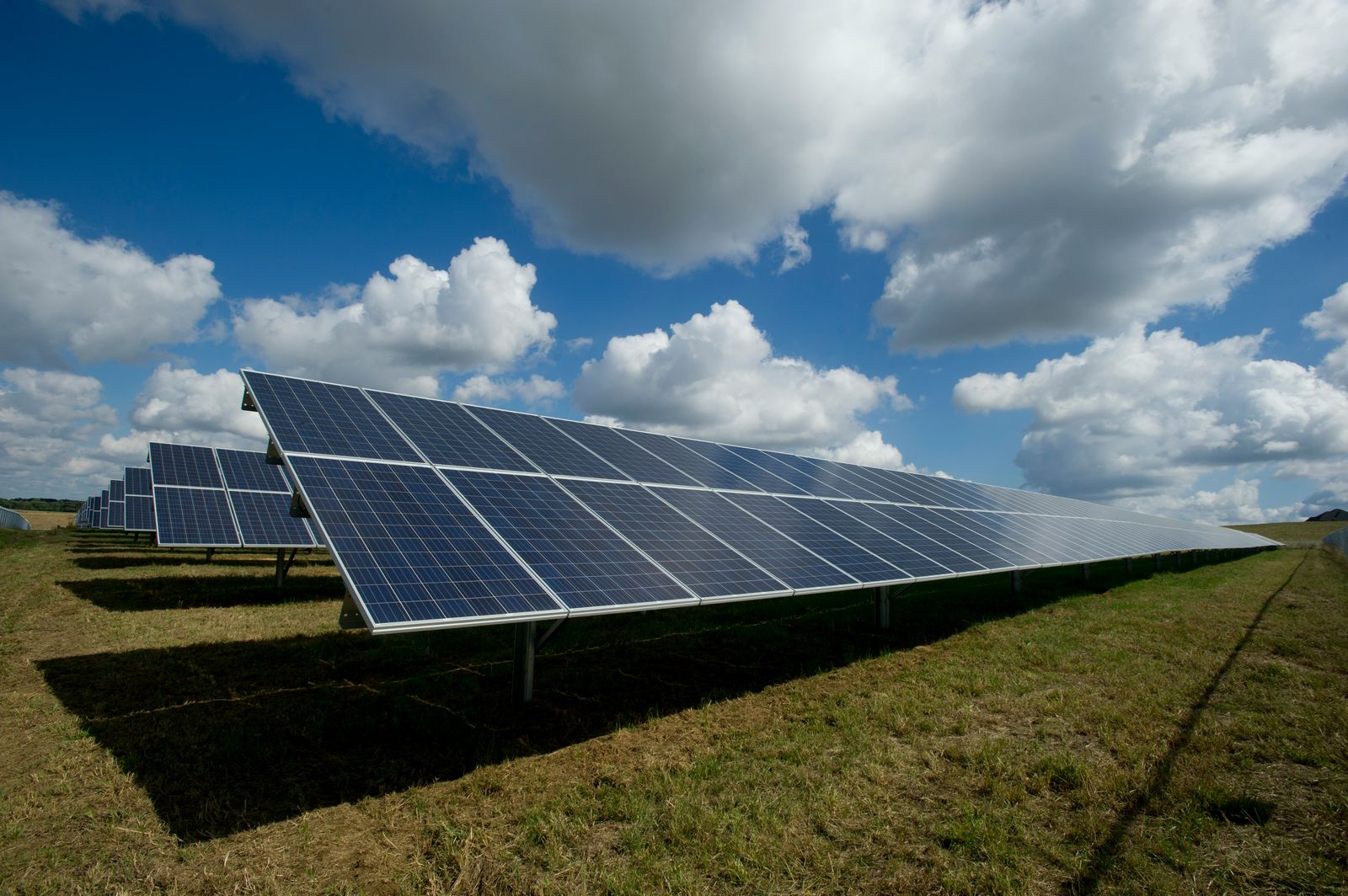
Moving homes, vehicles, and industry off fossil fuels and onto clean electricity.
We develop the roadmaps and technology pathways that make that shift practical: modeling pathways for equitable technology adoption, identifying the policies that lower costs, and building roadmaps to make energy cleaner and more affordable for everyone.
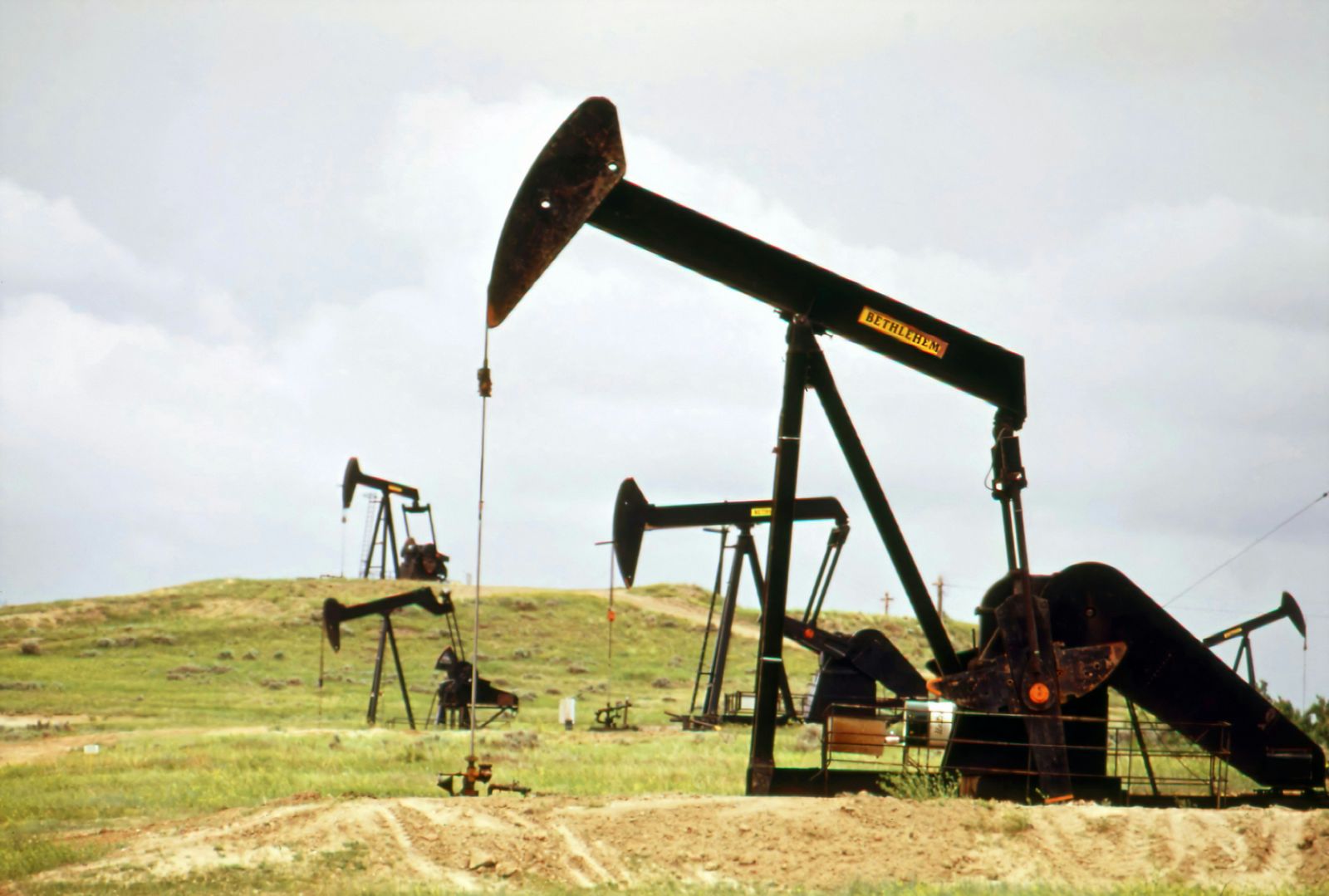
Winding down oil, gas, and coal, equitably and on the timeline climate goals require.
Drawing on our unique blend of technical and social science expertise, we develop solutions that are equitable, technically feasible, and politically viable.
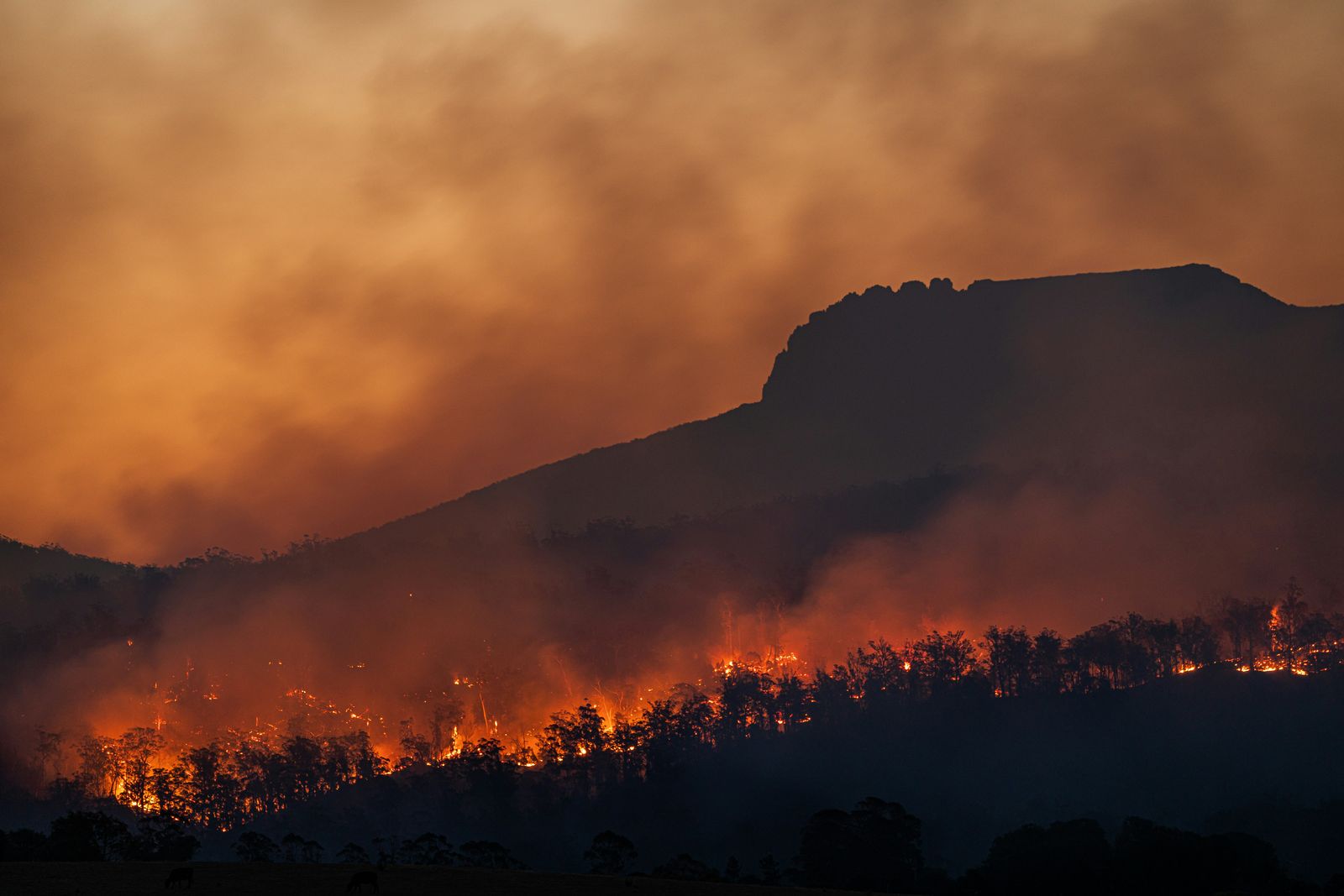
Helping communities already living with the consequences of a warming climate adapt.
We run climate adaptation and resilience survey panels, evaluate community wildfire-preparedness programs, and field first-of-its-kind opinion research from the front lines of the crisis.
Research built to move policy.
What sets us apart is how we work. Too often, the climate research most useful to policymakers arrives too late, and the research that arrives on time is too thin to act on. We pair empirical rigor with the speed and clarity real policy decisions require, combine technical and social-science expertise under one roof, and pair our analyses with accessible, interactive tools. Everything we publish is freely available.
UC Santa Barbara (UCSB) has one of the world’s biggest and strongest clusters of political scientists studying climate change, coupled with a deep bench of leading experts on clean technology engineering, energy modeling, environmental law, and more. The 2035 Initiative unites this diverse network of scholars to bend the curve of the climate crisis in this critical decade. Here’s how we get the job done:
We’ve known the dangers of climate change for decades, and we have the technical and policy tools to address it, but political leaders fail to act at the scale and pace needed to avoid catastrophe. Breaking through means unraveling the social and political dynamics that perpetuate our fossil-based economy: we analyze where political power sits, how it’s distributed, and how to mobilize coalitions for bold climate action. And we never take money from the fossil fuel industry.
The climate crisis affects us all, but not everyone’s voice is included in the conversation. Developing global solutions to a global problem means getting the whole world to participate. We have pioneered state-of-the-art research techniques that survey hard-to-reach populations at scale on their climate experience, redefining how the global community thinks about climate change and letting us develop solutions that work for everyone.
Some think tanks look for an approximately right answer before the end of the news cycle, and academics can spend years answering a single narrow question. In a rapidly warming world, we need precise strategies now. The 2035 Initiative is built to move quickly without losing academic precision, with the media connections, partnerships, and policy relationships to put solutions in the hands of decision-makers when it matters most.
Featured research areas.
Electrifying industrial process heat, one of the largest, most overlooked climate opportunities in the economy.
Charting practical, equitable paths to wind down oil, gas, and coal.
Rigorous, independent analysis for the state’s most consequential energy decisions.
Our team.
Get in touch.
This is the critical decade for climate action. We deploy our resources with the urgency the crisis demands, arming decision-makers with rigorous, scientific, and politically viable solutions.